
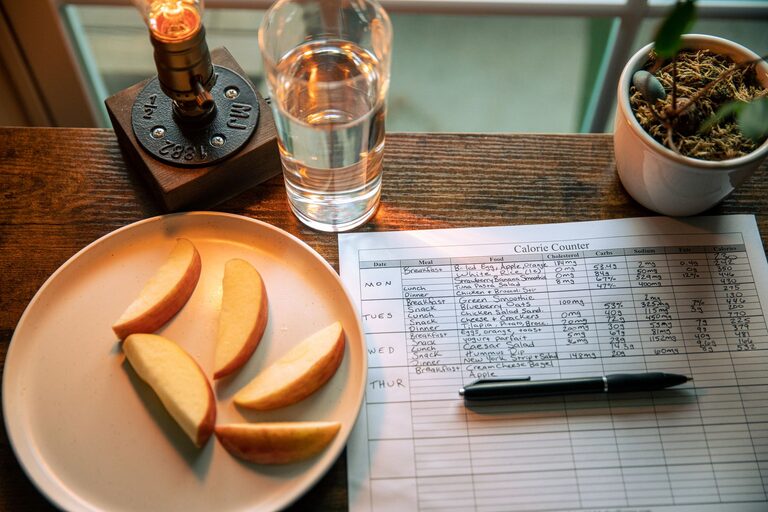
Eating well is key to feeling your best, but planning balanced meals can sometimes feel overwhelming. Between busy schedules and countless food choices, it’s easy to get stressed about what to eat each day. The good news is that creating nutritious, balanced meals doesn’t have to be complicated or time-consuming.
In this post, we’ll explore practical tips to help you plan balanced meals without stress. With a little preparation and some simple guidelines, you can enjoy healthy eating that fits your lifestyle effortlessly.
What Is a Balanced Meal?
A balanced meal provides the right proportions of essential nutrients your body needs. Typically, this includes:
– Protein: Supports muscle repair and growth. Examples: chicken, fish, beans, tofu.
– Carbohydrates: Your body’s main energy source. Examples: whole grains, fruits, vegetables.
– Healthy Fats: Important for brain health and hormone regulation. Examples: avocado, nuts, olive oil.
– Fiber and Micronutrients: Found in fruits, vegetables, and whole grains, these aid digestion and overall health.
Focusing on these components in each meal can help you feel satisfied and energized throughout the day.
Step 1: Start with a Simple Meal Framework
Using a straightforward plate method can make meal planning easier. Imagine dividing your plate into sections:
– Half filled with vegetables and fruits
– One-quarter with protein
– One-quarter with whole grains or starchy vegetables
This visual guide helps you maintain balance without needing complicated calculations.
Step 2: Plan Your Meals Ahead of Time
Planning meals in advance reduces stress and prevents last-minute unhealthy choices. Here’s how to start:
– Create a Weekly Menu: Choose a few recipes you enjoy and vary your proteins and vegetables.
– Use Ingredients You Like: Planning meals around foods you love makes cooking more pleasant.
– Batch Cook When Possible: Prepare larger portions and save leftovers for other meals.
Using a simple planner or app can help organize your menu and grocery list.
Step 3: Keep Your Kitchen Stocked with Essentials
Having healthy staples on hand cuts down on time spent shopping and deciding what to cook. Consider stocking:
– Whole grains like brown rice, quinoa, or oats
– Canned beans and lentils
– Frozen vegetables and fruits
– Lean proteins like canned tuna or pre-cooked chicken
– Healthy fats such as olive oil, nuts, and seeds
– Fresh produce that lasts, such as carrots, apples, and leafy greens
Adjust your list based on your preferences and dietary needs.
Step 4: Build Meals Around Convenience and Flexibility
Not every meal needs to be elaborate. Focus on simple recipes that can be customized:
– Stir-fries: Combine whatever veggies and protein you have; serve over rice or noodles.
– Salads: Use greens, your choice of protein, nuts, and a dressing for a quick meal.
– Wraps or Sandwiches: Whole grain bread or tortillas with lean protein and vegetables.
This flexibility allows you to use leftovers and adapt based on what’s available in your kitchen.
Step 5: Listen to Your Body’s Signals
Balanced eating isn’t about strict rules or perfection. Pay attention to your hunger and fullness cues, and adjust portion sizes accordingly. Enjoy your meals mindfully without guilt.
Additional Tips to Reduce Meal Planning Stress
– Set Realistic Goals: Start with one balanced meal a day and build from there.
– Cook with Family or Friends: Sharing the task can make it fun and less stressful.
– Try New Recipes Gradually: Introduce one new dish a week to keep variety without overwhelm.
– Keep Snacks Healthy: Have fruits, nuts, or yogurt on hand to curb hunger between meals.
– Stay Hydrated: Drinking water supports digestion and overall wellbeing.
Sample Balanced Meal Ideas
– Breakfast: Greek yogurt with fresh berries, a sprinkle of granola, and a handful of nuts.
– Lunch: Quinoa salad with chickpeas, cucumber, tomatoes, olive oil, and lemon.
– Dinner: Grilled salmon, steamed broccoli, and roasted sweet potatoes.
– Snack: Apple slices with almond butter.
Wrapping Up
Planning balanced meals without stress is entirely possible with a few simple steps. Use a meal framework, plan ahead, keep your kitchen stocked, and build meals around flexible, easy recipes. Remember that healthy eating is a journey, and small changes add up to big results.
By approaching meal planning with a calm, practical mindset, you can enjoy nourishing foods that support your health and lifestyle — all without the stress!